ALBAN OVANESSIAN & ABEL HARTOONI
ALBAN OVANESSIAN & ABEL HARTOONI
ALBAN OVANESSIAN & ABEL HARTOONI
14 min read
14 min read

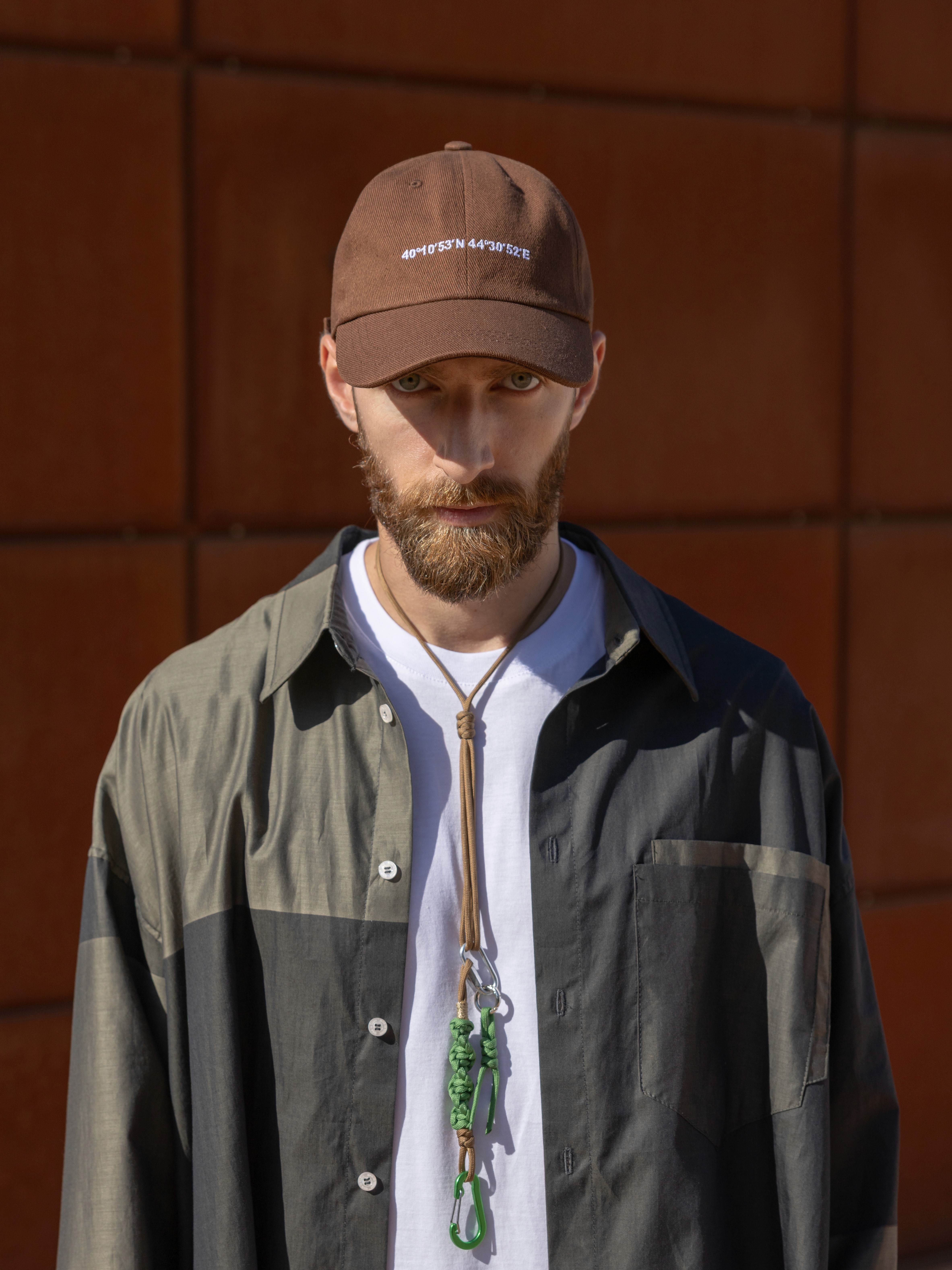
«My first encounter with the artistic field came through the world of fashion and journalism. At the time, my work focused on dressing the body in the most maximalist, hyperbolic, and ostentatious ways. Yet, this approach awakened in me a strong need to shift my attention, to strip things back and concentrate on the body itself: to think up, to question, and to recontextualize the body itself.
Following a drastic shift into contemporary dance and performance, I was offered numerous opportunities that allowed me to explore, physically and choreographically, a central question: What is the performative body?
My interests within this practice lie in the simple act of embodying things that have no physical form, be it a social condition, a personal experience, an aesthetic, or beyond.
The physical materialization of these non-corporeal elements becomes a way to generate functionality, dramaturgical substance, and narrative, all explored through their interaction with a cultural, social, political, sexual, or functional body.
The outcomes of these investigations give rise to visual narratives where different media, light, sound, text, scenography, costume, installation, etc, intersect and converse.
Informed by the intersection of my French-Armenian cultural background and a queer, non-binary perspective, my practice functions as a body-laboratory within an underground and poetic framework that re-examines tools, systems, and modes of representation.
Considering my identity as a lens for research has deeply shaped both the content and structure of my work. What I am / Who I am directly informs what I do. »
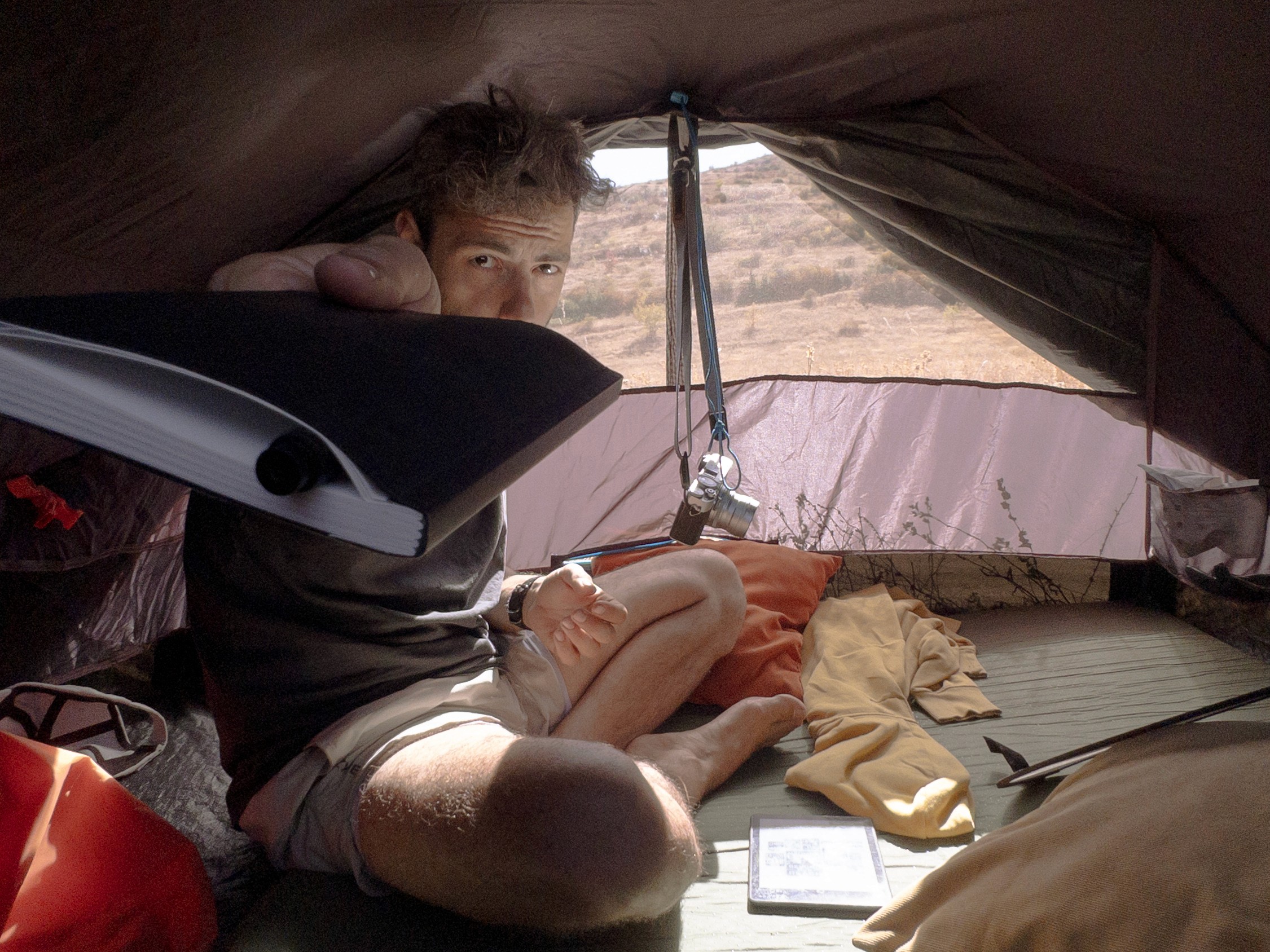
Is a Brussels-based Iranian Armenian visual artist, sound maker, curator, and researcher. His practice explores painting both as a medium for embodiment and as a tool for reflecting on power and value. Hartooni is a current resident at KULT XL ateliers in Brussels. His work has been presented at Montoro 12 in Brussels, Noman’s Gallery in Amsterdam, O gallery and Soo Contemporary in Tehran, Trefpunt in Ghent, and Vleeshal in Middelburg.
He has co-curated exhibitions including “DrieDee: Hatching from Scratch” at Kunsthal Mechelen (2024), “Eye Becomes Water” at Het Paviljoen (2025), “For Sometime I’ve been Standing” at Kunsthal Gent (2025) “Setting the table” at Pilar Brussels (2025).
Alban Ovanessian - This conversation holds particular value because it takes place within a space that foregrounds Armenian artistic voices. Speaking with someone who shares, even partially, that cultural lineage creates a resonance that feels increasingly vital—especially within the queer Armenian community in Brussels. These affinities, though often subtle, carry weight.
Abel Hartooni - Yes. Identity isn’t simply a fixed category—it opens up ways of relating ; even if a dialogue like ours could just as easily resonate with another diasporic voice. But I’d like to turn to The Color of Pomegranates, a film I know has influenced your work.
Alban Ovanessian - For GRIEF(hub), I worked by extracting and reconfiguring the film’s entire
soundscape, church bells, women’s voices, ritual textures. The gestures in the film, obscure yet potent, struck me as deeply choreographic. What fascinated me was the emotional stillness—those expressionless faces set against a backdrop of visual excess. That tension shaped the work. I wasn’t interested in recreating scenes, but in evoking presences—through gesture, ritual, and a sense of inherited memory.
Abel Hartooni - There’s a moment in the film where the repeated phrase shifts from “you wear fire” to
“you wear black.” That turn always felt to me both sensual and unsettling.
Alban Ovanessian - And the film plays constantly with gender fluidity—especially through the
ambiguous figures of children.
Abel Hartooni - At one point, the protagonist becomes Sayat Nova. I remember reading an essay by an Iranian-Armenian filmmaker who suggested that Parajanov may have been addressing his own queerness in a subtle, poetic register. That ambiguity opens space for multiple projections.
Alban Ovanessian - Hmm.
Abel Hartooni - You’ve taken something already fragmented and pushed it further—transforming it into a kind of second-order collage through performance.
Alban Ovanessian - Exactly. I’m less attached to the original object than to what lingers after it—the
traces that can be carried, embodied, reanimated.
Abel Hartooni- Let’s move to your current work hardcore. Where did it begin?
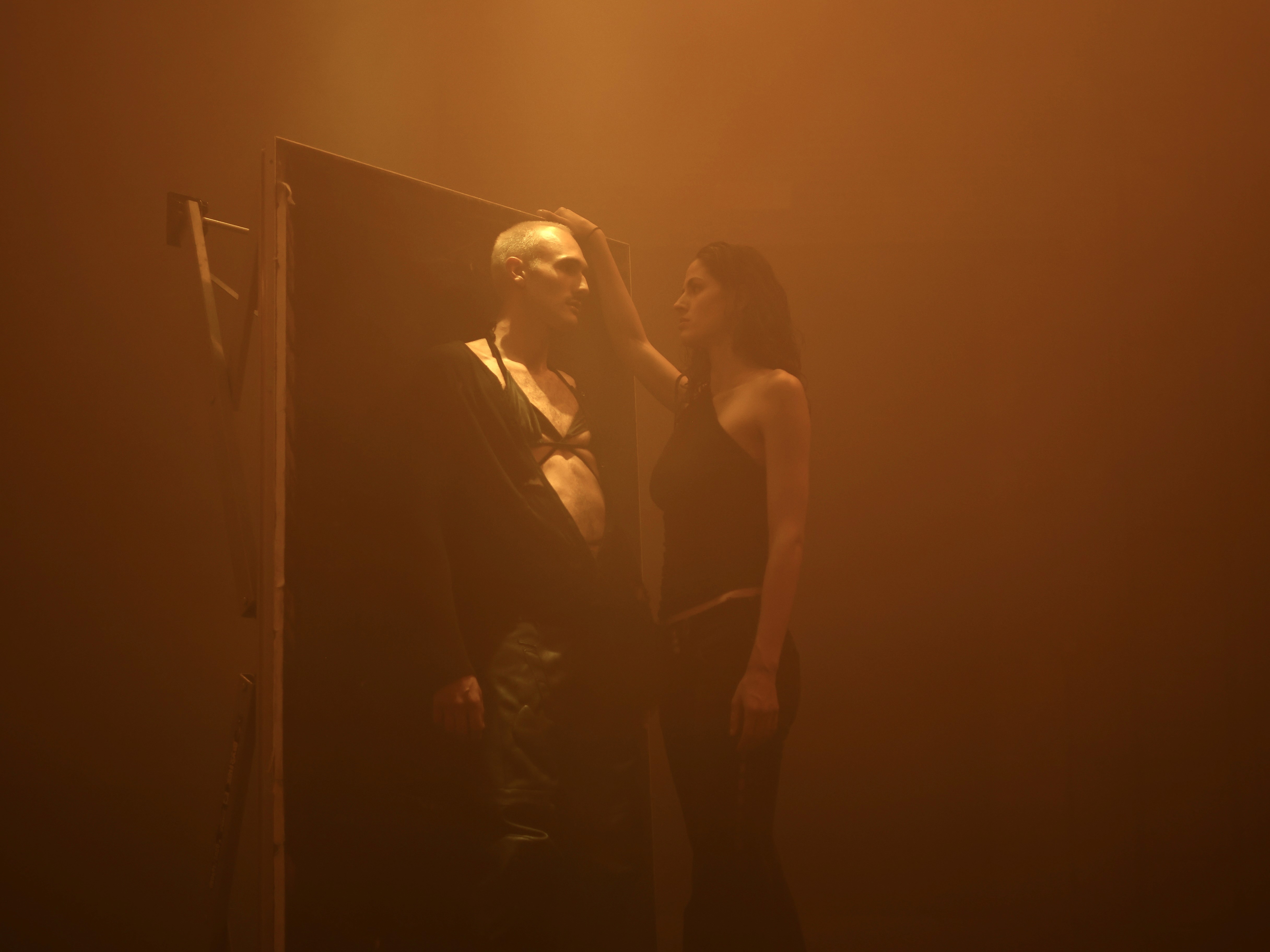
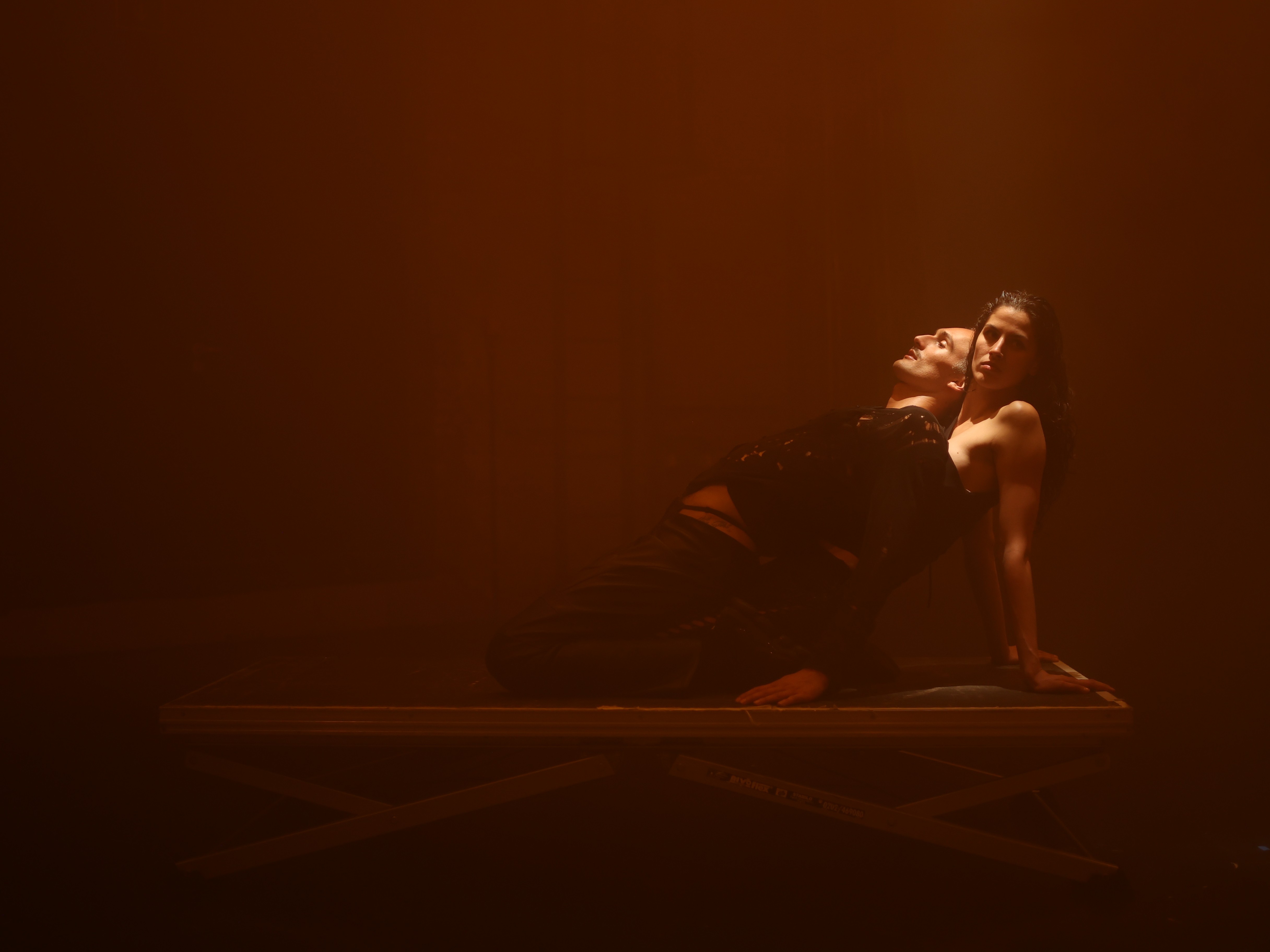
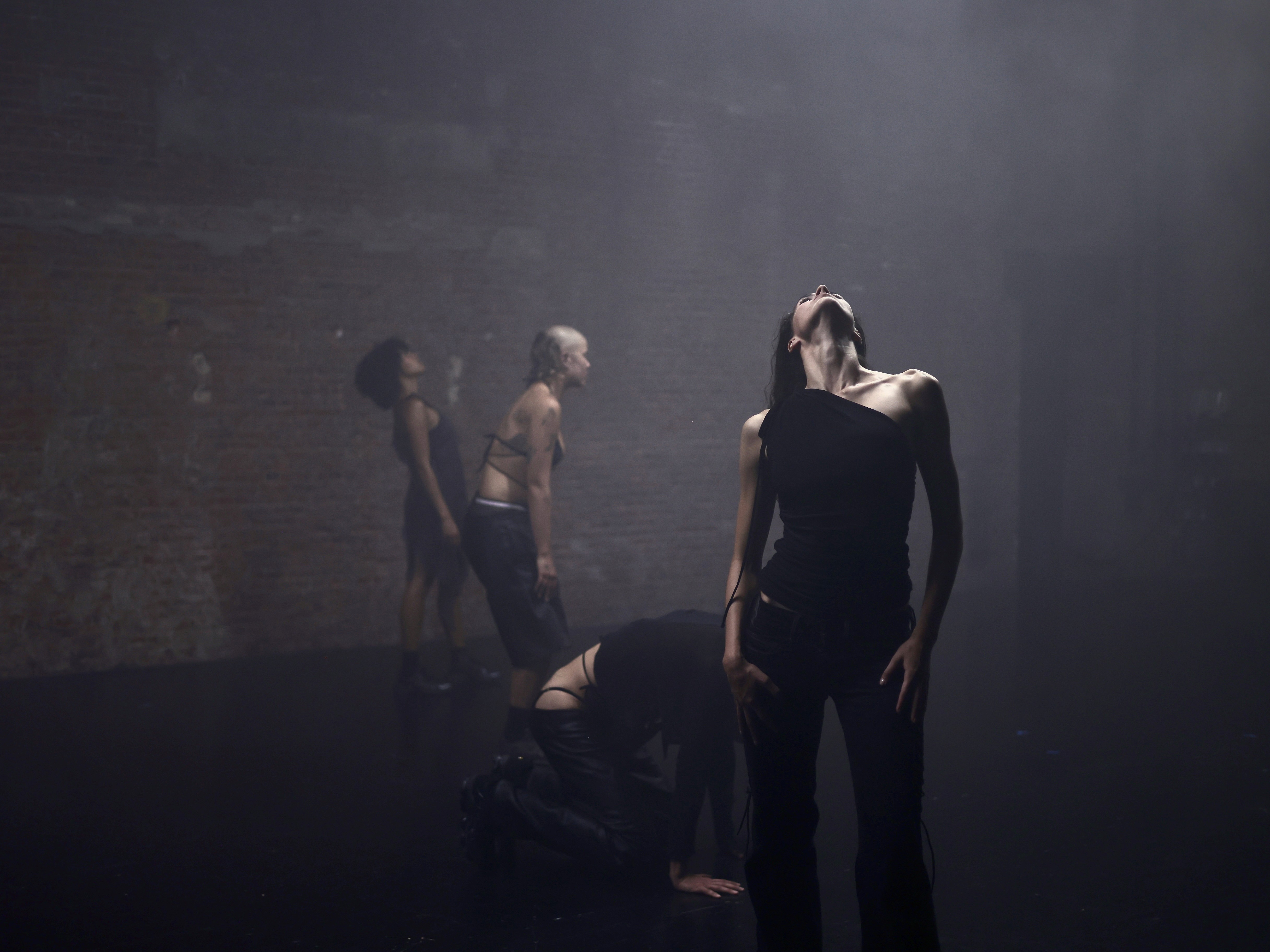
Alban Ovanessian- It started with a question: what comes after liberation. I was seeing queer bodies
repeatedly framed through trauma, and while that narrative is real, I was curious about something beyond it.
Could we imagine a post-emancipatory space?
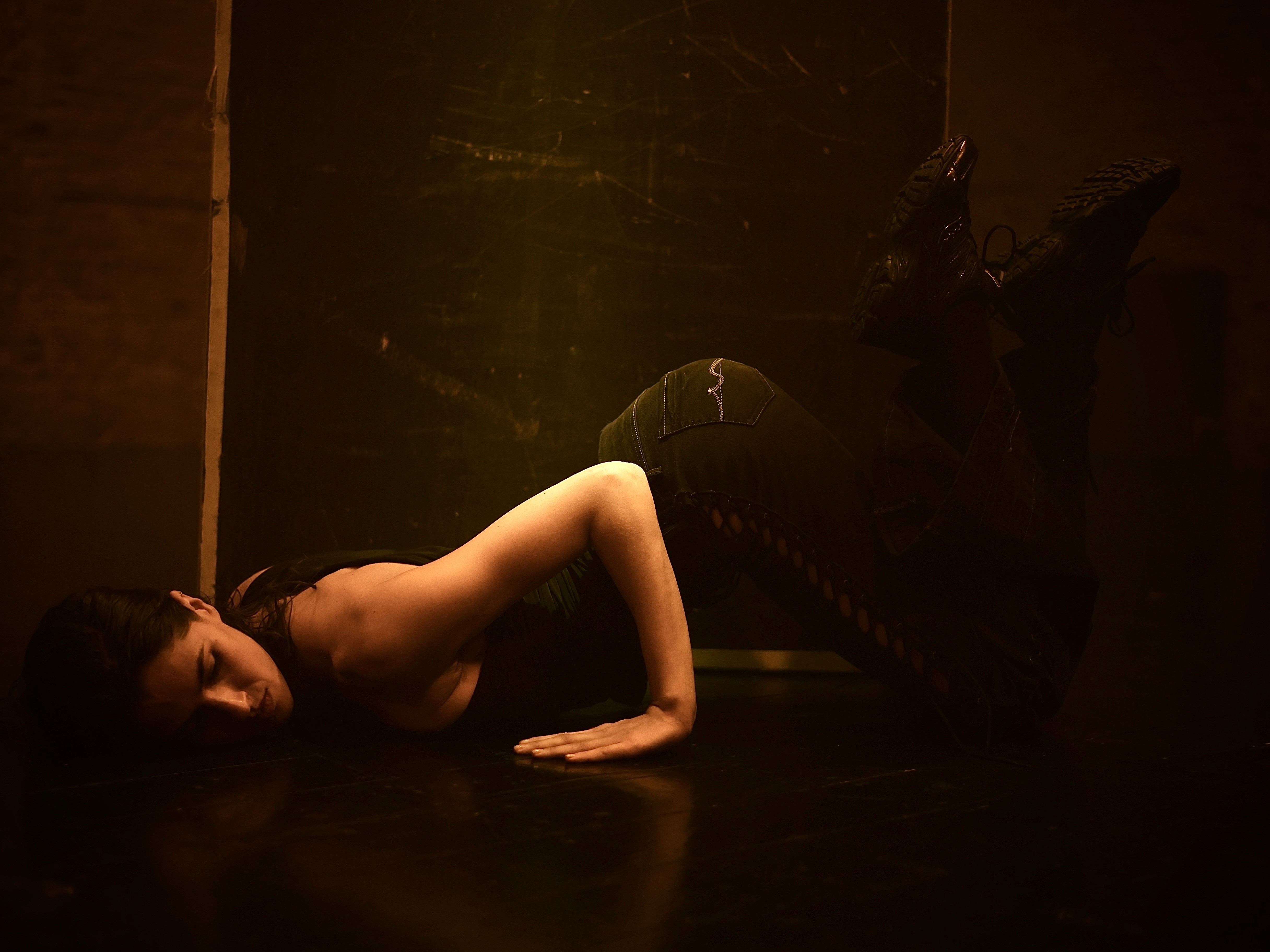
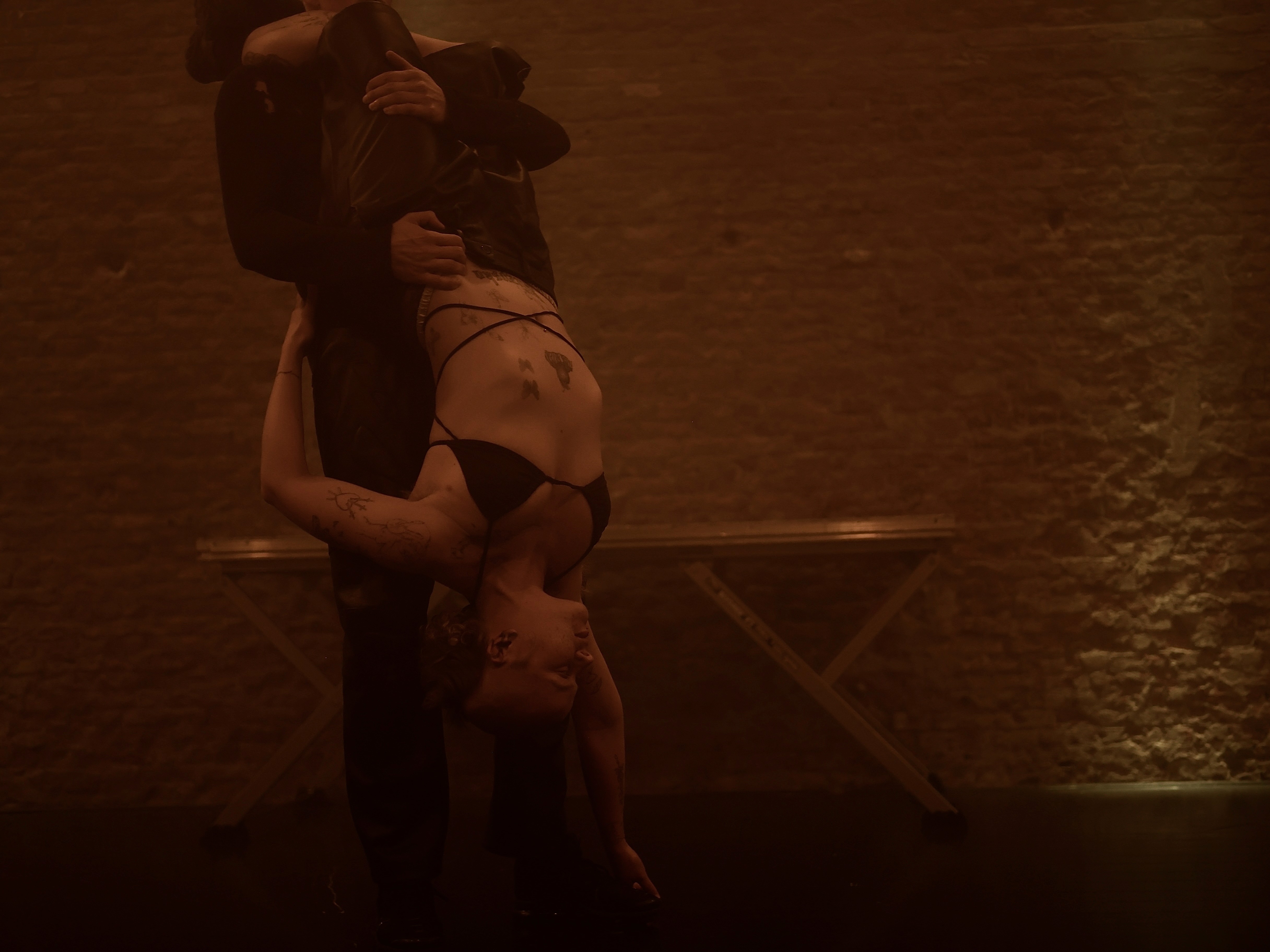
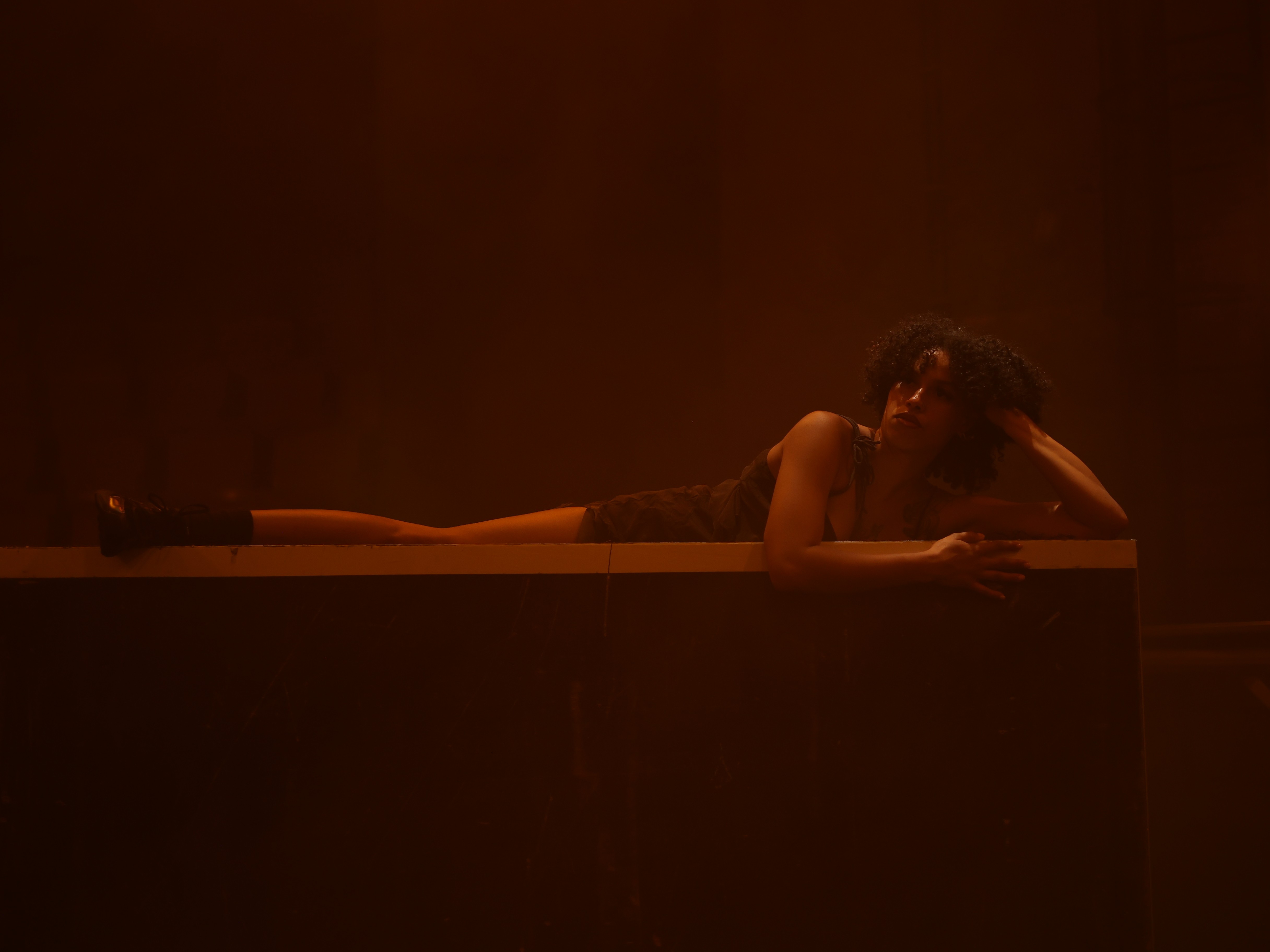
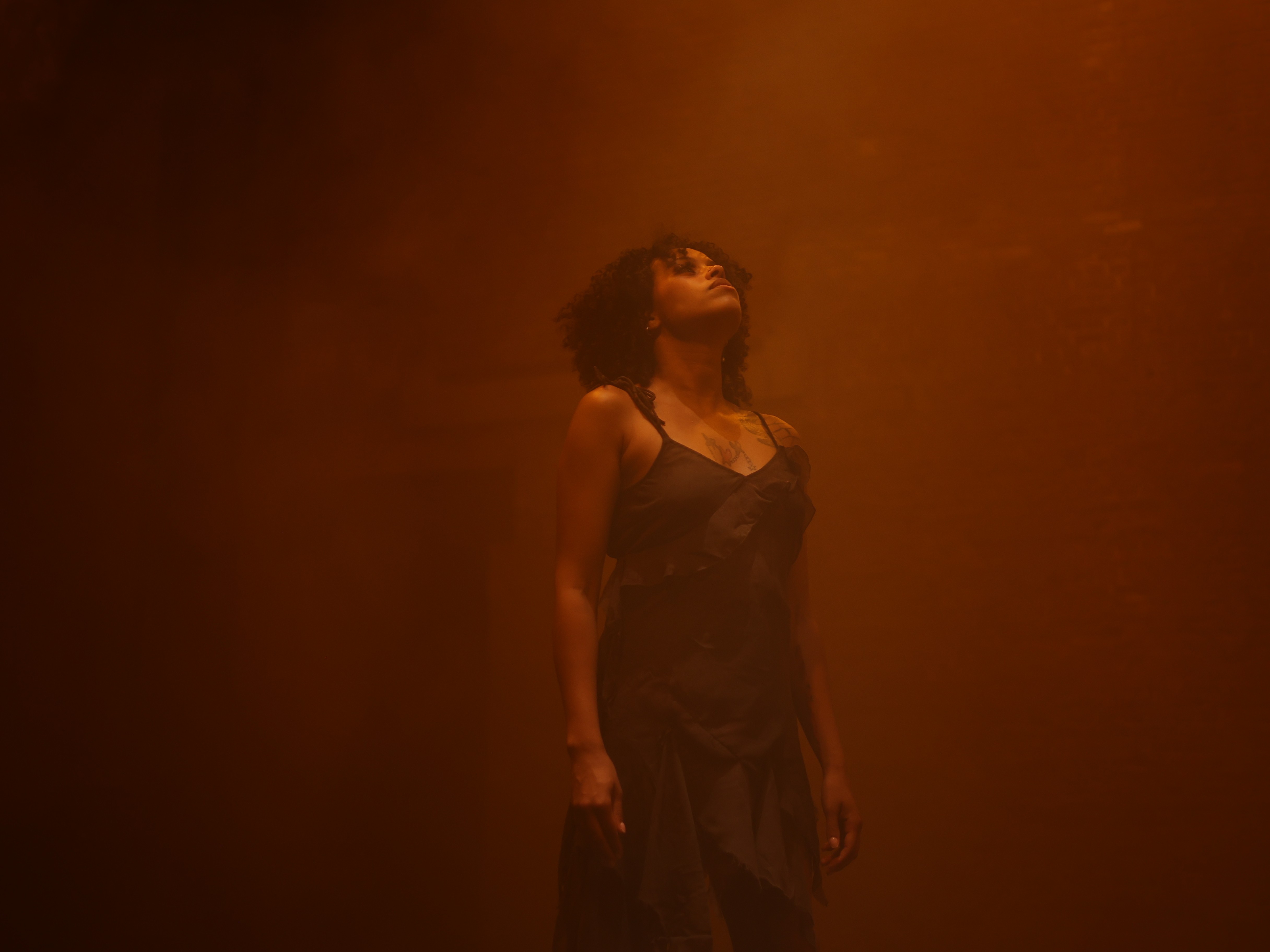
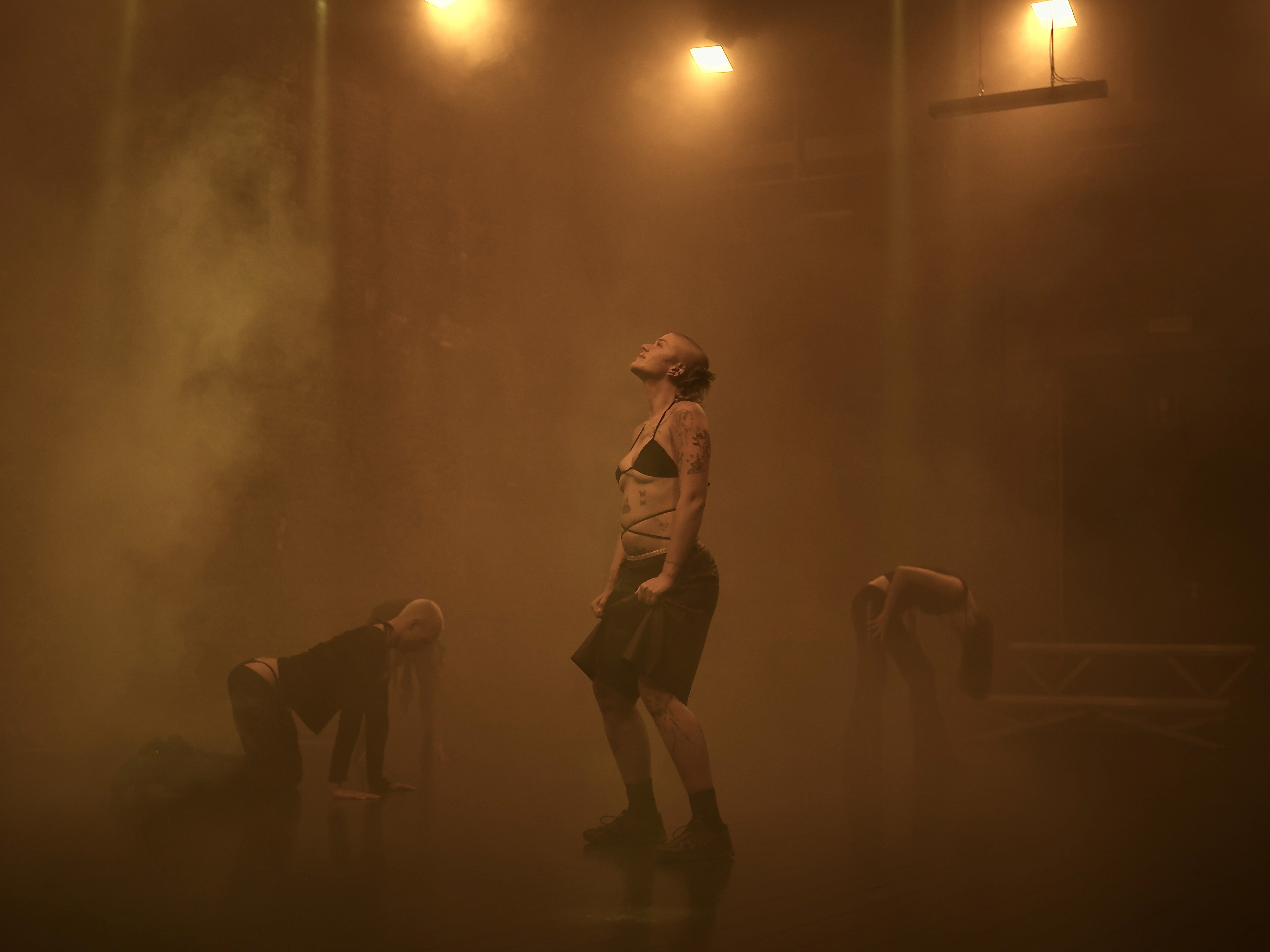
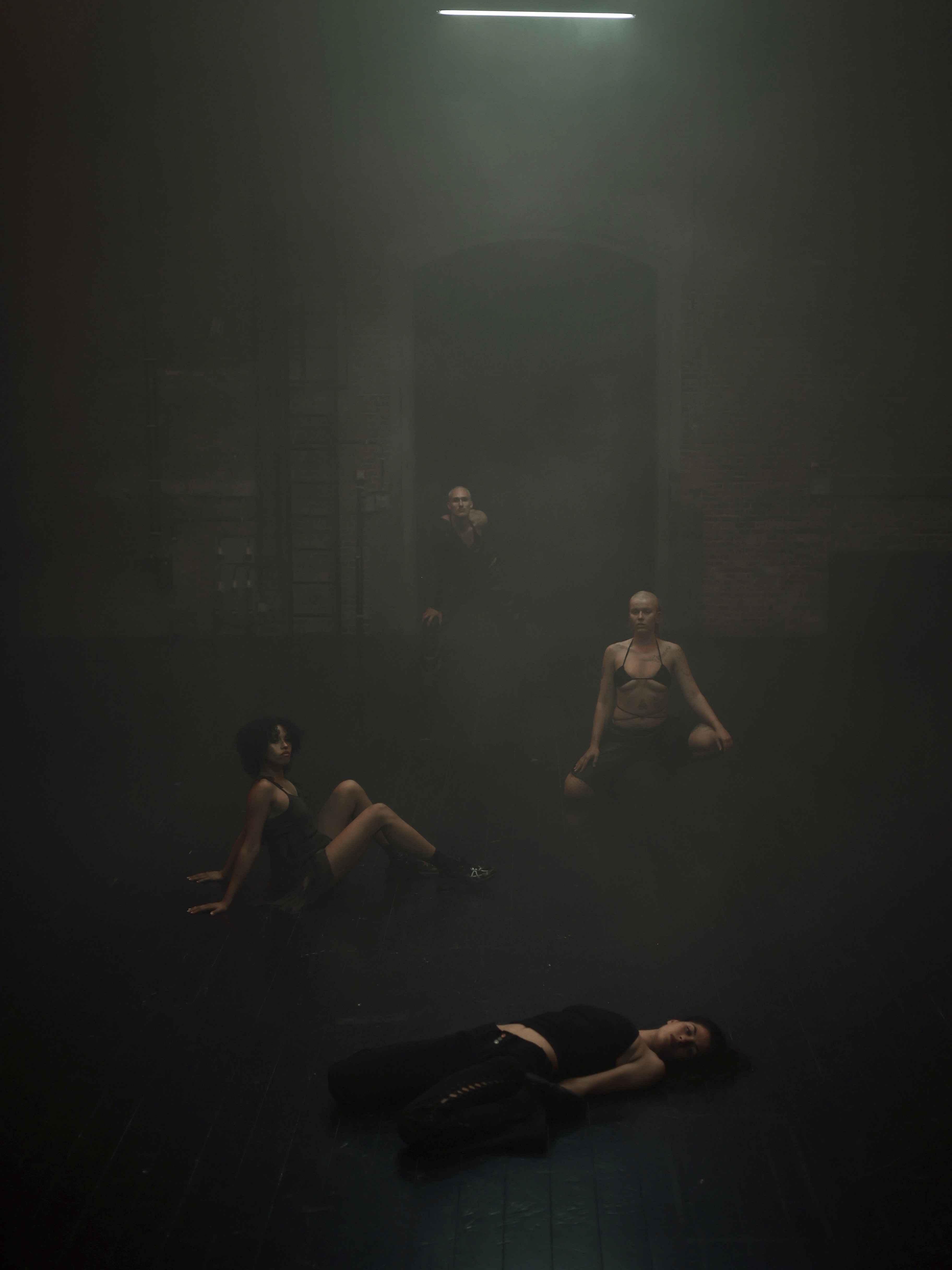
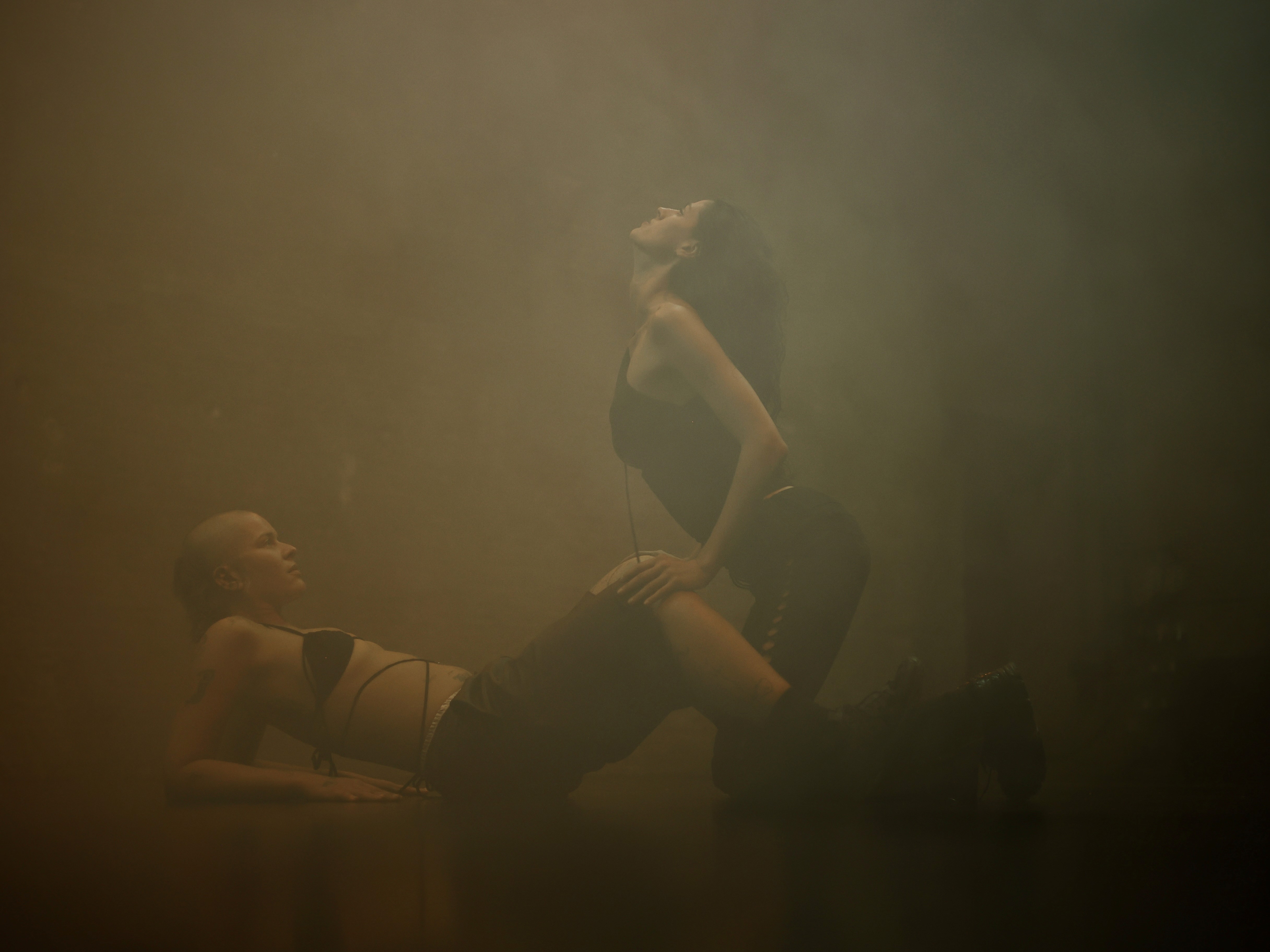
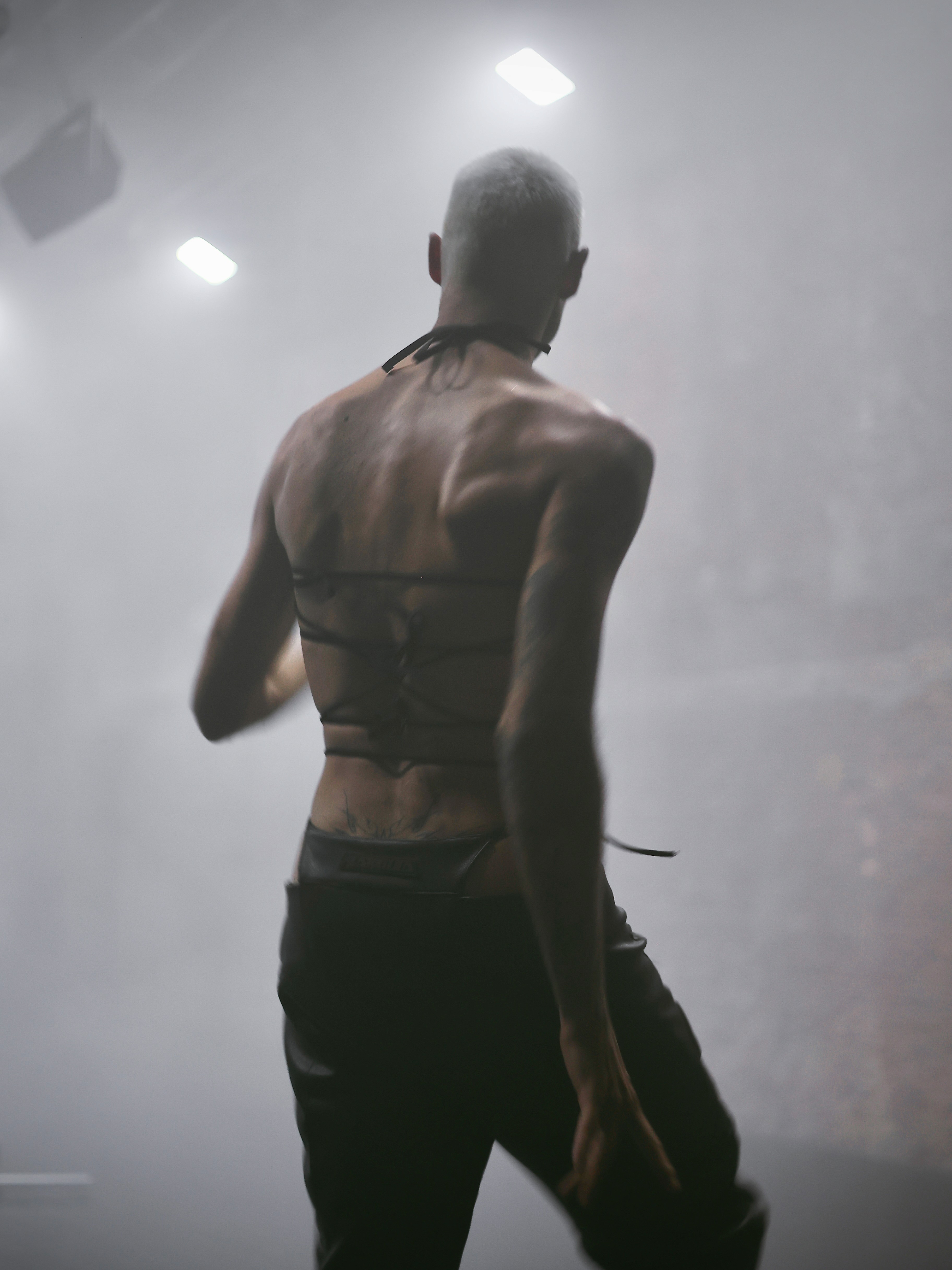
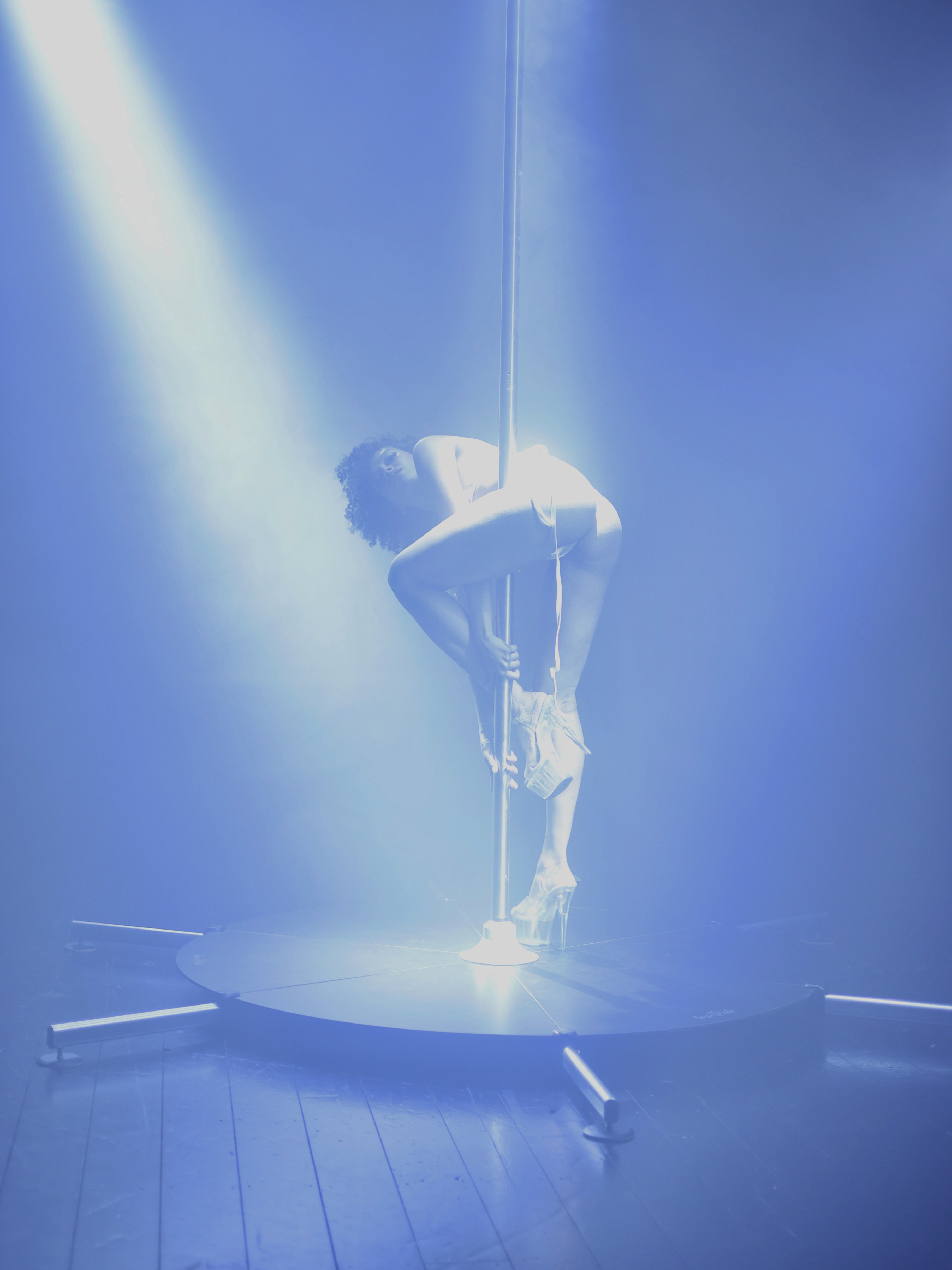
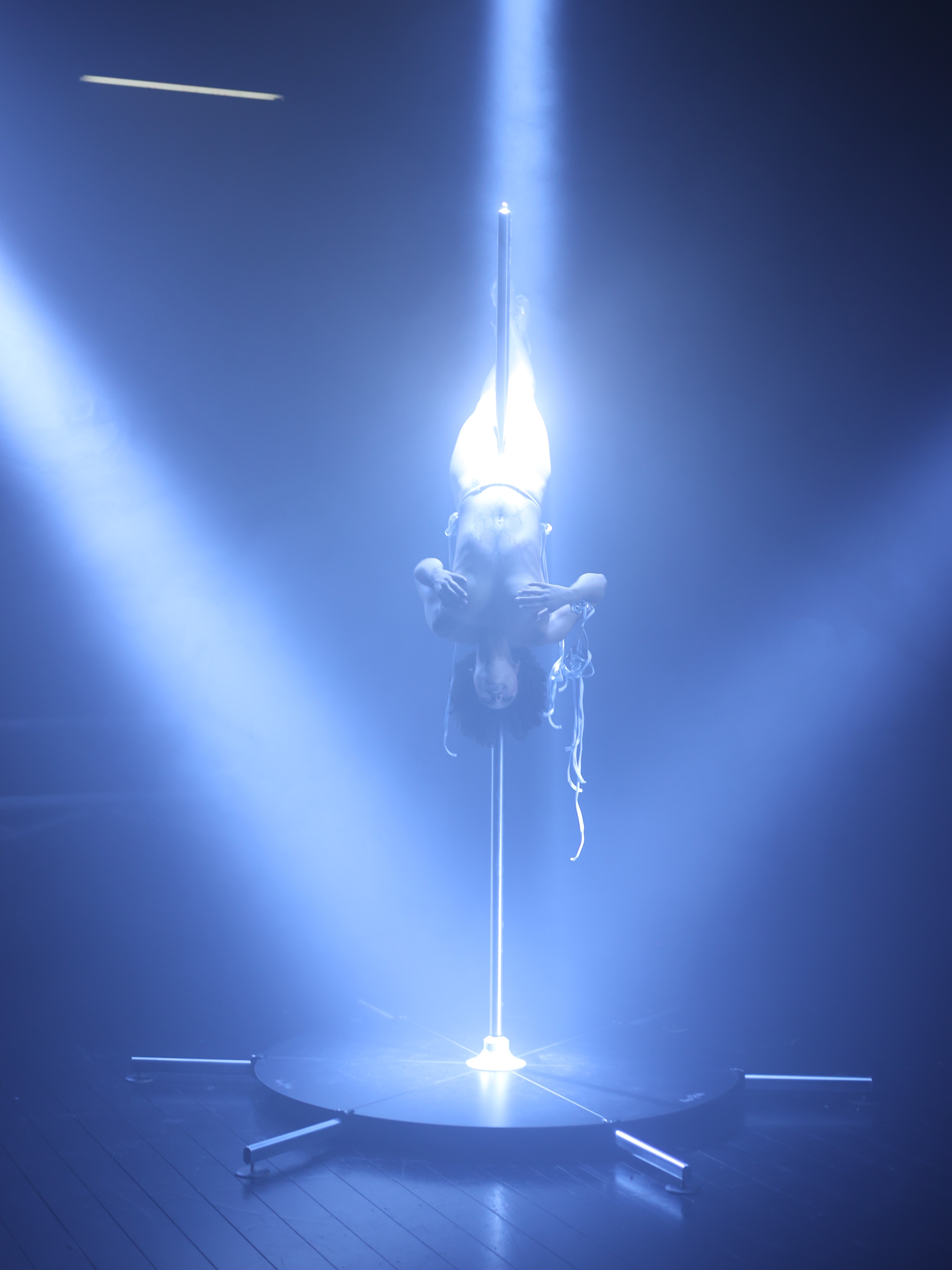
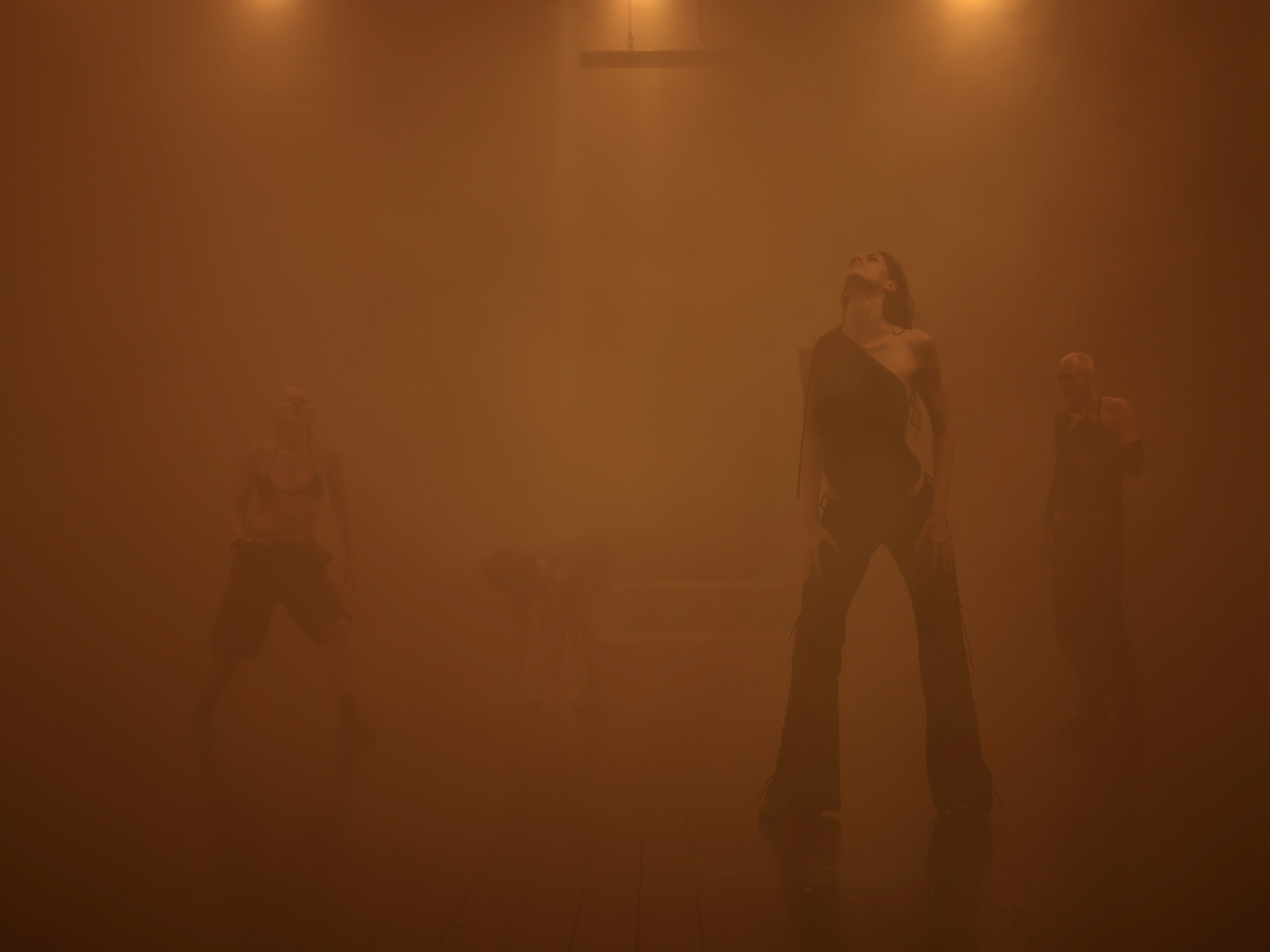
There’s a line from Virginia Woolf that stayed with me: “I needed to bang my head against some hard door in order to call myself back to my body.” That’s the kind of intensity I was after—not pain, but presence. I invited four performers and asked each of them: What is your hardcore practice? One of them comes from pole dance—no formal training, but immense physical precision and improvisational force. I wasn’t seeking virtuosity, but conviction—an embodied intensity.
Abel Hartooni - Do they perform together as an ensemble?
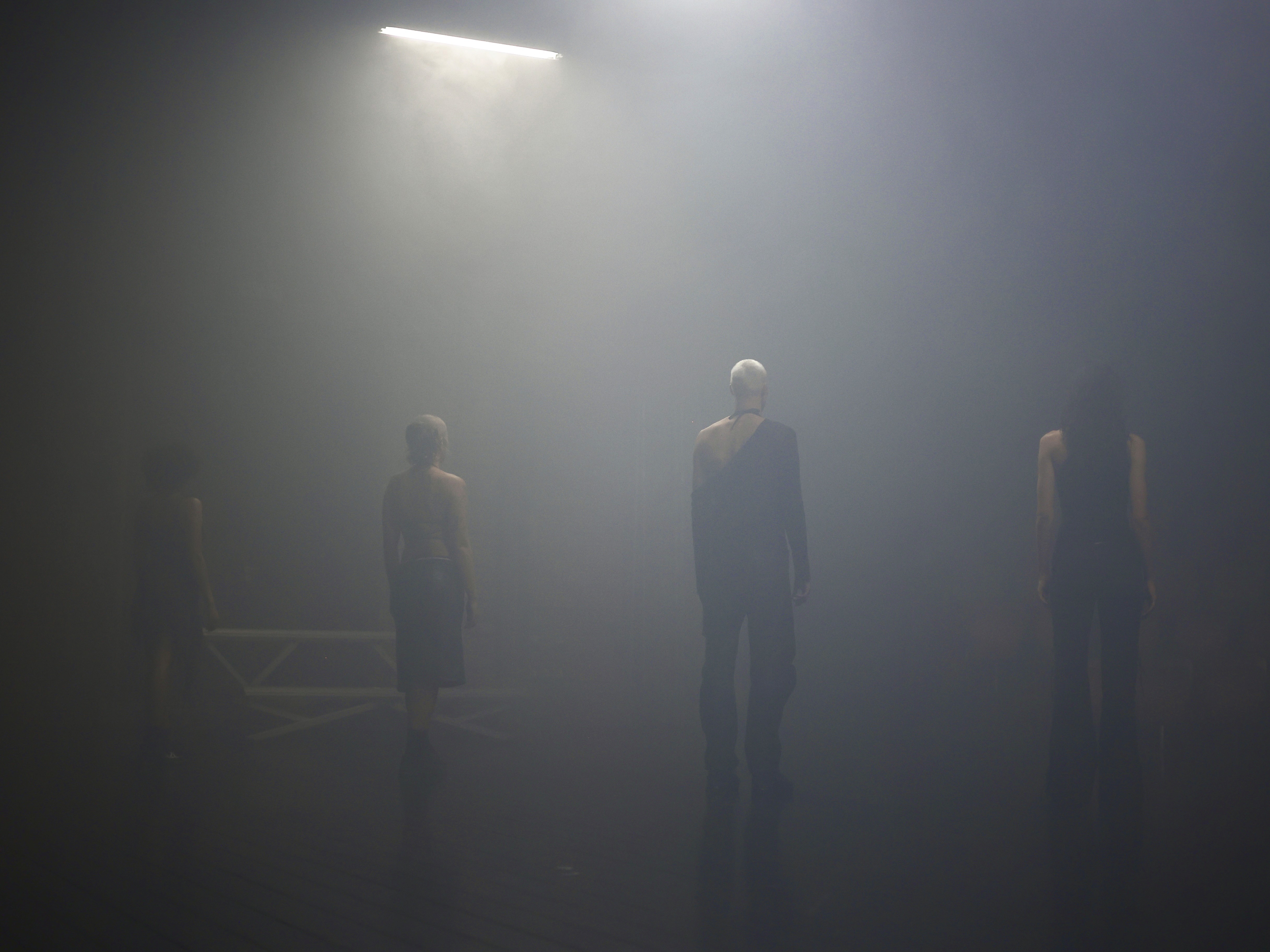
Alban Ovanessian- Yes, though not in unison. The work isn't about synchrony. It's about convergence and divergence—crossings, ruptures, alignments, delays. They circulate in and out of shared structures, always in motion.
Abel Hartooni - Does the term hardcore reference 1990s club culture?
Alban Ovanessian- Not explicitly. Hardcore, for me, speaks to physical endurance. Holding a bridge
position for five minutes—that’s hardcore. It's about the temporality of exertion. Sonically, I’m collaborating with close friends to construct a landscape that moves between apocalypse and renaissance—layered, textured, queer. Not just high-impact beats, but nuance and depth.
Abel Hartooni: When does it premiere?
Alban Ovanessian - From September 23 to 27 at Théâtre de la Balsamine. It’s my first full-scale group
work, developed over five weeks. I began with one-on-one sessions to build trust, then moved into collective choreographic processes. The lighting design will be improvised in real time—responsive to the performers, shaped by their rhythm, not imposed.
Abel Hartooni - It sounds like a piece grounded in both relational ethics and political imagination.
Somehow, you can sense that the sole coming together of these bodies in a certain space together could
substitute the utopia. In a way, the present tense of these bodies merges with the futurity of utopia. Again, for me, this is yet another way of embodying a disjointed time in your work.
Alban Ovanessian- It is. When someone asked why I wanted to make HARDCORE, I said: Because
these performers are my superheroes. If they belong to me, they can belong to you. That, for me, is the
essence of queerness—choosing your icons and holding them close."
Photographer: Ugo Woat